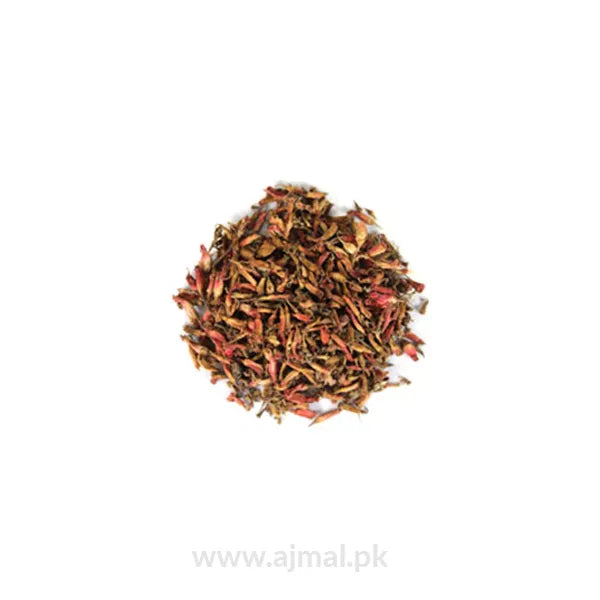
Gul-e-Dhawa, botanically known as Anogeissus latifolia and globally recognized as Axle Wood Flower, is a highly valued botanical in the Unani and Greco-Arabic medical systems. The flowers are small, greenish-yellow, and grow on a majestic deciduous tree native to the dry forests of the Indian subcontinent and Southeast Asia. In Unani medicine, Gul-e-Dhawa is classified as having a "Cold and Dry" (Barid-o-Yabis) temperament. It is celebrated for its potent astringent (Qabiz) and styptic (Habis) properties, making it an essential treatment for disorders caused by excessive moisture or "Hot" humors in the body.
Gul-e-Dhawa is a specialized therapeutic agent with a profound impact on tissue stability and metabolic balance:
• Feminine Reproductive Health: It is the premier remedy for Leucorrhea (white discharge). Its powerful astringent nature helps "tighten" the uterine tissues and dries up excessive morbid secretions (Sailan-ur-Reham).
• Stops Abnormal Bleeding: As a potent styptic (Habis-e-Dam), it is traditionally used to manage Menorrhagia (heavy periods), bleeding piles, and nosebleeds by contracting the blood vessels.
• Skin Care & Complexion: Applied topically or taken internally, it helps treat skin eruptions, acne, and boils. It acts as a natural skin-tightener and is used to reduce the appearance of freckles.
• Digestive & Gut Health: It is highly effective in treating chronic diarrhea and dysentery (Pechish) by firming the bowels and soothing the intestinal lining.
• Diabetes Support: Traditionally used in Unani medicine to help manage sugar levels and prevent the excessive loss of nutrients through the urinary tract.
• Wound Healing: Its antiseptic and antimicrobial properties accelerate the healing of internal erosions and external skin ulcers.
For maximum therapeutic benefits, follow these methods:
• Powder Form: Take 3g to 5g (approx. 1 teaspoon) of dried Gul-e-Dhawa powder twice a day with water or lukewarm milk.
• For Leucorrhea: It is most effective when taken with a glass of lukewarm milk on an empty stomach in the morning.
• Herbal Tea (Infusion): Steep 1 teaspoon of flowers in a cup of hot water for 10 minutes. Strain and drink for digestive comfort.
• Topical Paste: Grind the flowers with water or rose water to apply on skin rashes or acne.
🛍️ Available Packaging Sizes
• 50gm
• 100gm
• 500gm
🍀 Unani Therapeutic Actions
• Habis-e-Dam: Styptic (stops internal and external bleeding).
• Qabiz: Strong astringent (contracts and tones tissues).
• Mundamil: Healing agent for internal wounds and ulcers.
• Mubarrid: Cooling agent for the blood and liver.
• Muqawwi-e-Reham: Specialized tonic for the uterus.
🛡️ Safety, Precautions & Cautions
• Constipation Warning: Due to its strong astringent (Qabiz) nature, avoid excessive use if you are already suffering from severe chronic constipation.
• Pregnancy: Consult a healthcare physician or Unani Hakeem before medicinal use during pregnancy.
• Hydration: Drink plenty of water throughout the day to support the systemic detox process.
• Storage: Store in a cool, dry place in an airtight container to maintain the potency of its natural tannins.
• Mature Flower Harvest: We source only the fully mature, therapeutically active flowers to ensure maximum tannin concentration.
• 100% Pure & Raw: Our Gul-e-Dhawa is free from synthetic colors, artificial whiteners, or chemical preservatives.
• Expertly Sifted: Meticulously cleaned by Dawakhana Hakim Ajmal Khan to ensure you receive grit-free, pure botanical product.
• Ajmal Standards: Provided following over 160 years of authentic Greco-Arabic pharmaceutical expertise.
FAQ (Frequently Asked Questions)
Can Gul-e-Dhawa help with facial skin tightening?
Yes. Its astringent properties make it an excellent natural toner. Applying a cold infusion of the flowers as a face wash helps shrink pores and tighten the skin.
Is it helpful for excessive menstrual flow?
Yes, it is one of the most trusted traditional remedies for Menorrhagia (Kasrat-e-Haiz). It helps regulate the flow by strengthening the uterine lining.
Does it have any taste?
It has a mild, earthy, and slightly bitter/astringent taste, which is characteristic of high-tannin herbs.
Can I take it with milk?
Yes, taking it with milk is the preferred Unani method when using it as a tonic for reproductive health or general physical weakness.