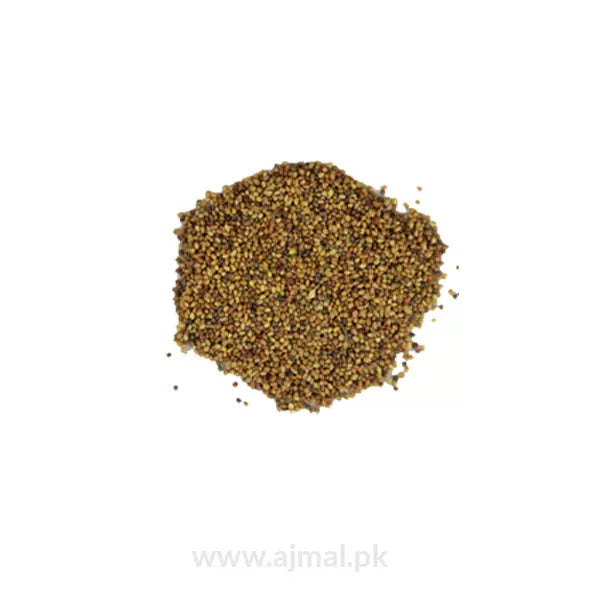
Methi Dana, botanically known as Trigonella foenum-graecum, is one of the oldest and most widely cultivated medicinal herbs in human history. Native to the Mediterranean regions, Southern Europe, and Western Asia, it is now abundantly grown in India, North Africa, France, and the United States. The plant reaches about 2 feet in height, featuring light green leaves, small white flowers, and pods that contain the powerful Fenugreek seeds. These seeds are famous for their distinct, intense aroma—often compared to maple syrup—and a complex bitter-sweet flavor profile that has made them a staple in both culinary and Greco-Arabic (Unani) medicinal traditions.
Methi Dana is a powerhouse of nutrients, including fibers, iron, and manganese, offering a wide range of clinical benefits:
• Cholesterol & Heart Health: It effectively helps in controlling LDL (bad cholesterol) and triglyceride levels, supporting overall cardiovascular wellness.
• Blood Sugar Regulation: Highly valued for its ability to improve insulin sensitivity and lower blood glucose levels.
• Digestive Aid: It is an excellent remedy for indigestion, gastritis, and stomach ulcers. Its high fiber content prevents constipation and detoxifies the digestive tract.
• Respiratory Support: Traditionally used to treat the effects of common colds, coughs, and bronchitis by acting as a natural expectorant.
• Skin & Beauty: When used topically or internally, it reduces eczema, skin burns, and acne. It possesses significant anti-aging properties that help maintain skin elasticity.
• Hormonal Balance & Fertility: It is known to increase fertility and is frequently used to support hormonal health in both men and women.
• Anti-Inflammatory: Its resolvent properties help reduce internal and external inflammations and accelerate the healing of wounds.
• For Metabolic Health (Diabetes/Cholesterol): Soak 1 teaspoon (approx. 3-5g) of Methi Dana in a glass of water overnight. Drink the water and chew the seeds on an empty stomach in the morning.
• For Respiratory Issues: Boil 1 teaspoon of seeds in water to make an herbal tea (Joshanda). Drink while warm twice a day.
• For Skin/Acne: Grind the seeds into a fine powder, mix with water or honey to form a paste, and apply to the affected area for 15–20 minutes.
• For Indigestion: Take 2-3g of powder with lukewarm water after meals.
🛍️ Available Packaging Sizes
• 50gm
• 100gm
• 500gm
🍀 Unani Therapeutic Actions
• Muhallil-e-Auram: Resolvent of internal and external inflammations.
• Kasir-e-Riyah: Carminative (expels gas and relieves bloating).
• Mudir-e-Haiz: Emmenagogue (stimulates menstrual flow).
• Munaqqi-e-Riya: Cleanser of the lungs and respiratory tract.
• Jali: Detergent/Cleansing agent for the skin.
🛡️ Safety, Precautions & Cautions
• Pregnancy: Avoid therapeutic doses during pregnancy, as it may act as a uterine stimulant.
• Allergies: Individuals allergic to chickpeas or peanuts may experience cross-reactivity.
• Blood Sugar: If you are on diabetes medication, monitor your blood sugar closely as fenugreek may enhance the effect of the medicine.
• Storage: Store in an airtight container in a cool, dry place to maintain its intense aroma.
• 100% Organic & Natural: Sourced originally from the best cultivation regions to ensure high medicinal value.
• Gluten-Free: Pure seeds with no processing contamination.
• No Additives: 100% pure herb with no added chemicals, colors, or preservatives.
• High Potency: Meticulously dried and stored to retain its delicate maple-like aroma and active nutrients.
FAQ (Frequently Asked Questions)
Does Methi Dana help in weight loss?
Yes, its high soluble fiber content increases the feeling of fullness and boosts metabolism, which aids in weight management.
Is it safe for breastfeeding mothers?
Yes, in many cultures, it is traditionally used as a galactagogue to increase breast milk production, but it should be taken after consulting a physician.
Can it be used for hair growth?
Absolutely. Methi Dana is rich in protein and nicotinic acid, making it excellent for preventing hair fall and dandruff when applied as a mask.
Why are the seeds bitter?
The bitterness comes from natural alkaloids and volatile oils that contain the majority of its medicinal properties.